
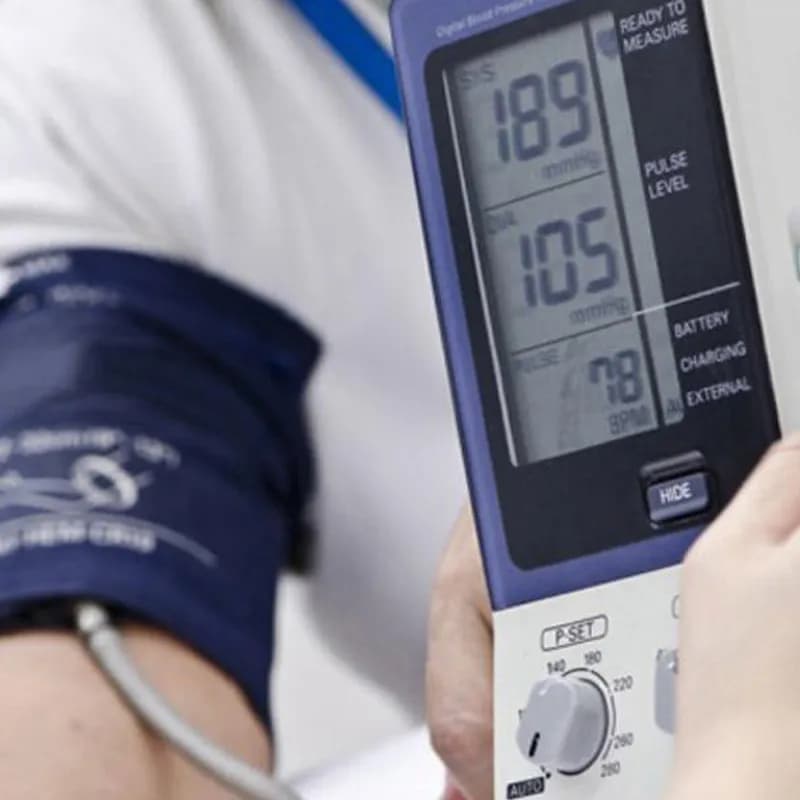
Arterial təzyiqin sutkalıq monitorinqi (ATSM): nədir və kimlərə lazımdır?
ATSM — arterial təzyiqin 24–48 saat ərzində xüsusi portativ cihazla fasilələrlə ölçülüb ya...
Read MoreAbout Hysteroscopy
Hysteroscopy examines the uterine cavity (endometrium) with a flexible video system — a hysteroscope — inserted through the vagina and cervix. The lighted camera projects the view onto a screen. It is performed for diagnostic and therapeutic purposes.
Indications:
Irregular or heavy menstruation (hypermenorrhea/menorrhagia)
Female infertility evaluation
Removal of fibroids, scars, polyps, and other lesions
Correction of endometrial anomalies
Removal of retained placental tissue postpartum
Insertion of contraceptives (IUD, implant)
Assessment of fallopian tube patency
A small biopsy sample may be taken during the exam.
Contraindications:
Active infections/inflammation of the vagina, cervix, or uterus
Severe systemic disease or unstable general condition
Large cervical masses or cervical stenosis
Ongoing pregnancy
Heavy uterine bleeding
Not recommended for girls under 15 years
Preparation:
Ideally scheduled 3–5 days after menstruation.
One week prior: stop local meds/contraceptives/intimate gels; two days prior: abstain from intercourse.
If lesion removal is planned, brief hospitalization may be needed; purely diagnostic exams often require no anesthesia.
Aftercare:
Avoid tampons; use sanitary pads
No intercourse for 3 days
Avoid sauna/hammam and hot baths
Possible (rare, ~1%) complications:
Uterine perforation, bleeding
Infection or flare of chronic pelvic disease
Air embolism with gas hysteroscopy
Allergic or anesthetic reactions
Procedure flow:
For planned procedures: blood/urine/vaginal swabs, chest X-ray, ECG; anesthesia type chosen; performed fasting.
Ambulatory hysteroscopy is acceptable only if immediate hospital transfer is available.
The uterus is distended with gas or fluid; a ~5 mm hysteroscope is inserted.
Mild cramps and light spotting may persist for 2–3 days.
Hysteroscopy is generally safe; accuracy and low risk depend on an experienced specialist.
Author: Saidə Əlixanova, Obstetrician-Gynecologist, SƏHHƏT Clinic
ATSM — arterial təzyiqin 24–48 saat ərzində xüsusi portativ cihazla fasilələrlə ölçülüb ya...
Read More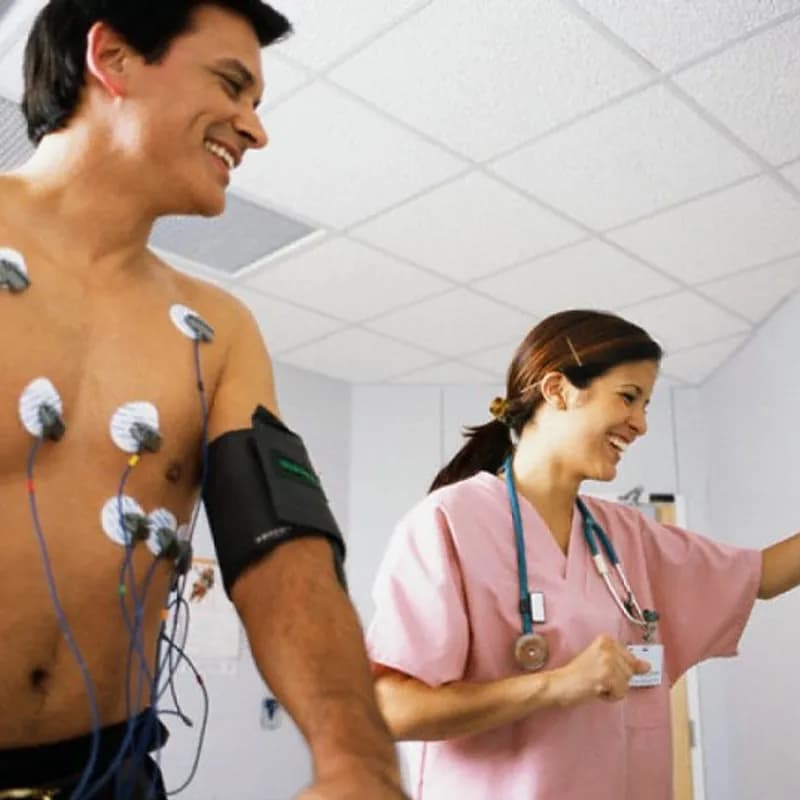
Holter monitorinqi — ürək ritminin 24 saat və daha uzun müddət fasiləsiz EKQ yazısı ilə iz...
Read More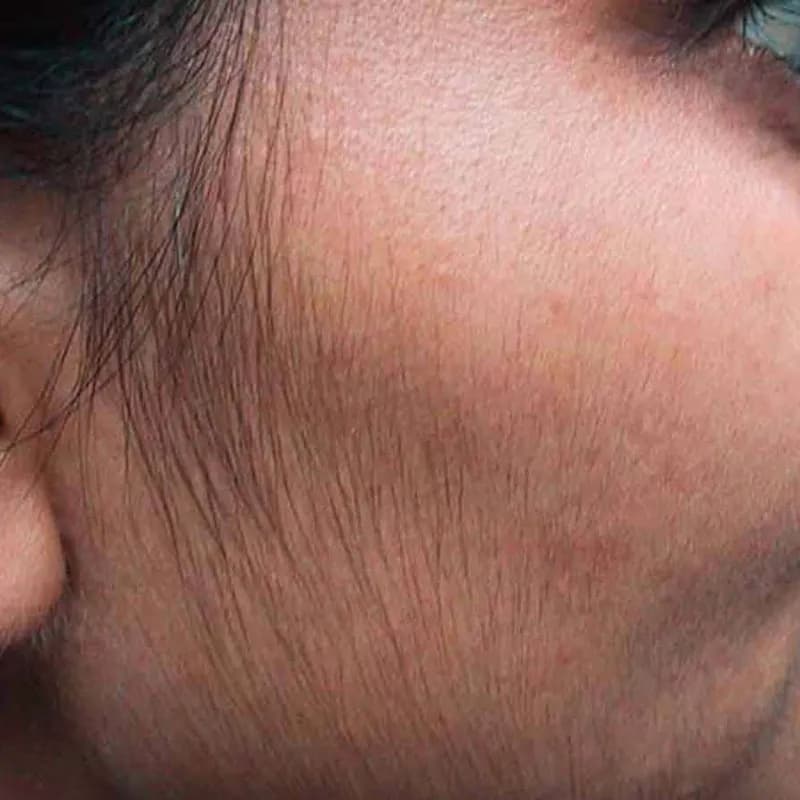
Hirsutizm — qadınlarda kişi tipli tüklənmə ilə xarakterizə olunan hormonal pozğunluqdur. S...
Read More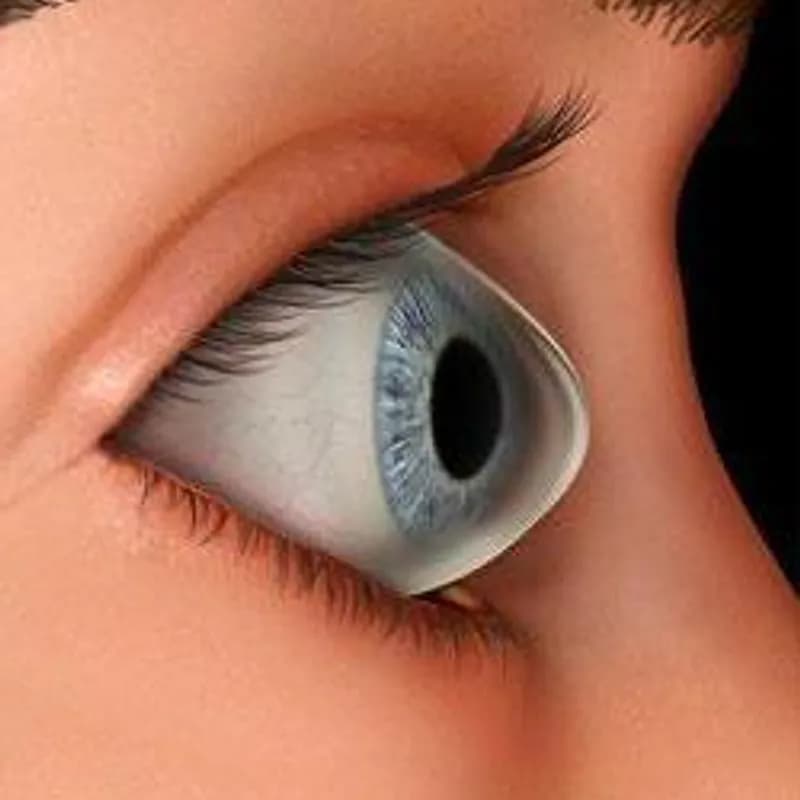
Keratokonus — buynuz qişanın nazilməsi və konus formasını alması ilə xarakterizə olunan de...
Read More